⌂ » Aesthetic medicine »
Hyaluronic acid: non-surgical facial rejuvenation
Hyaluronic acid is a substance naturally present in the body. Injectable treatments can help soften wrinkles, restore facial volume, enhance the lips and improve skin hydration.
The product is gradually broken down by the body, and its effects generally last between 9 and 12 months, depending on the product and treatment area. Suitability and potential reactions will be discussed during your consultation.
Hyaluronic acid for wrinkle treatment
Hyaluronic acid, which is abundant in young skin, helps keep the tissues hydrated. Its levels decline with age, and the skin may become drier as fine lines and wrinkles develop.
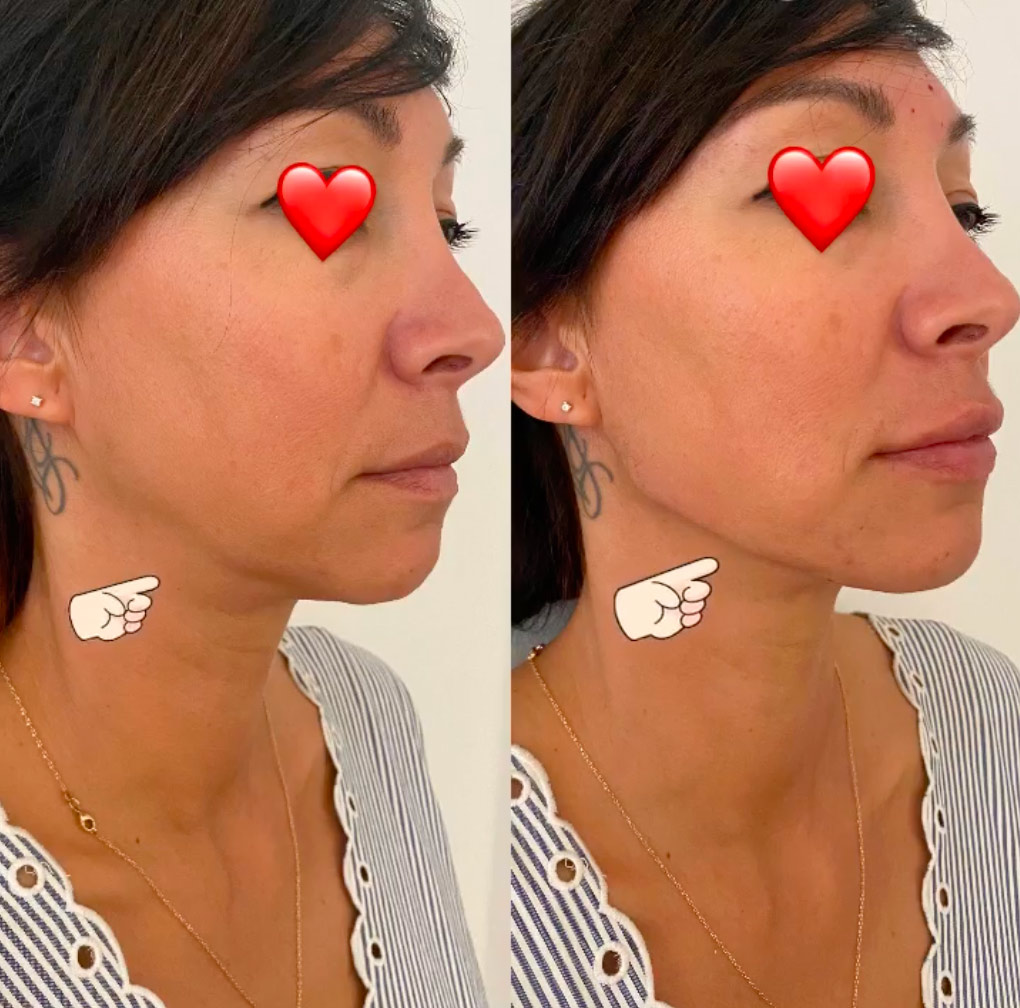
Hyaluronic acid injections can soften wrinkles and restore facial volume. Injected beneath a wrinkle, the gel adds volume to the tissues to help create a smoother, natural-looking appearance.
For expression lines in the upper third of the face (forehead lines, frown lines and crow’s feet), botulinum toxin is often the preferred treatment. Hyaluronic acid may nevertheless be used alone or alongside other treatments for selected indications, following an individual assessment.
Treatment areas
- Nasolabial folds (between the nose and the corners of the mouth)
- Marionette lines (between the corners of the mouth and the chin)
- Perioral or “barcode” lines (around the lips)
- Cheek wrinkles
- Lines extending downwards from the corners of the mouth
- Chin creases
- Neck and décolletage lines
- Certain superficial wrinkles on the hands


Hyaluronic acid for restoring facial volume
With age, the face gradually loses some of its volume and natural support.
Hyaluronic acid injections can help restore these deeper structures, fill selected hollows and subtly redefine facial contours.
Based on a personalised assessment of facial anatomy and proportions, treatment aims to preserve facial balance while creating a fresher, radiant and natural-looking appearance.
Gradually absorbed by the body and biocompatible, hyaluronic acid is widely used for non-surgical facial rejuvenation and enhancement.
Treatment areas
- Cheekbones: restore volume and a refreshed appearance
- Temples: improve age-related hollows
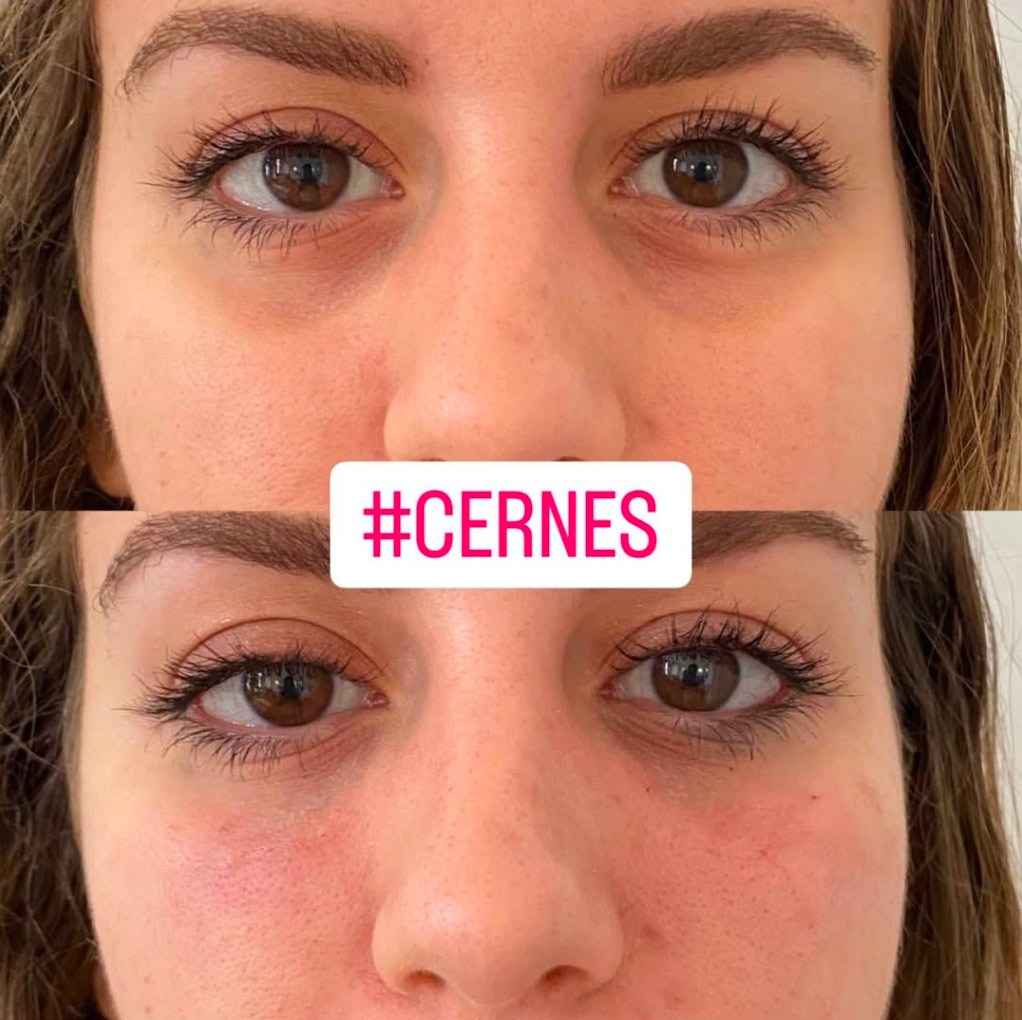
- Under-eye area: reduce a tired appearance
- Nasolabial folds: soften folds between the nose and mouth
- Marionette lines: soften lines extending downwards from the corners of the mouth
- Lips: improve hydration, definition or volume
- Chin: improve projection and profile balance
- Jawline: redefine the lower facial contours
- Tear troughs: improve hollows beneath the eyes
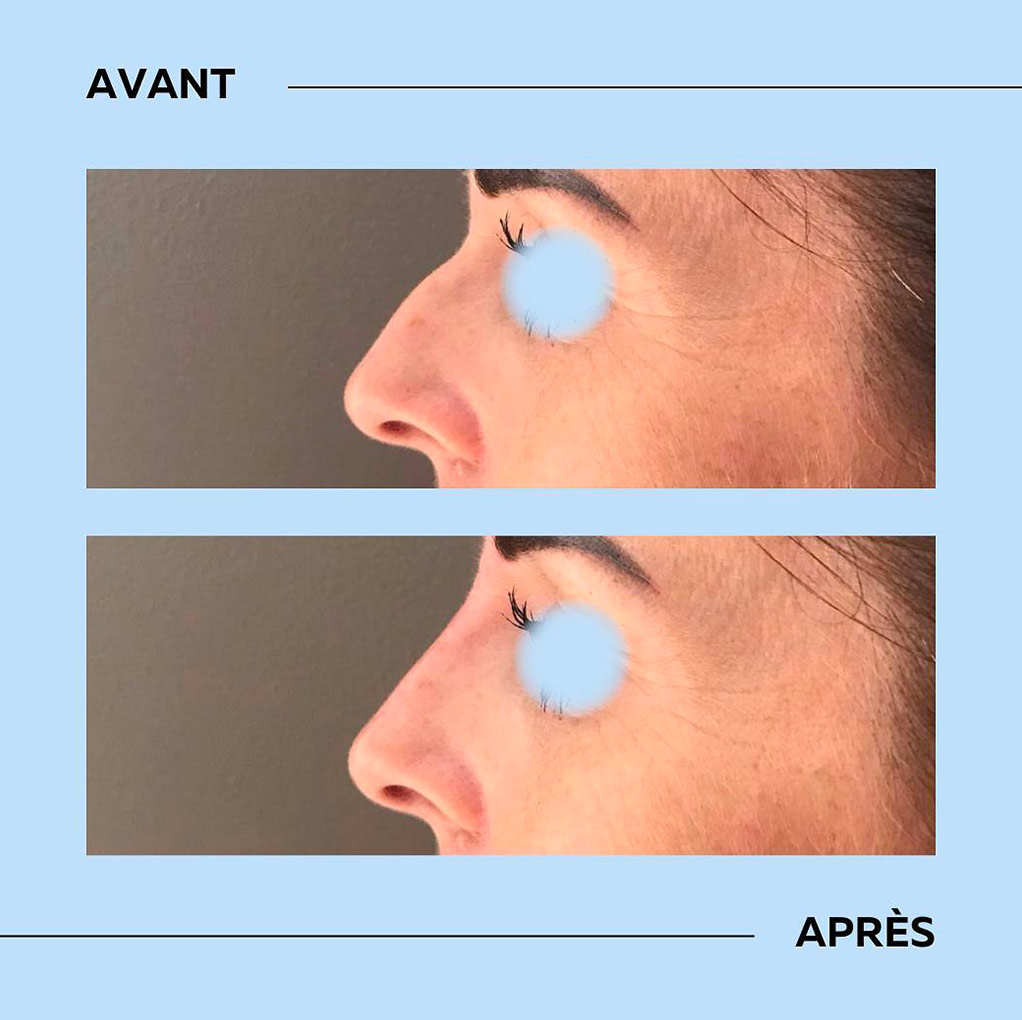
- Nose (non-surgical rhinoplasty): improve selected contour irregularities without surgery
What happens during hyaluronic acid treatment?
Your surgeon injects hyaluronic acid as a clear gel into the treatment area using a fine needle. The injections generally cause little discomfort.
Normal daily activities can usually be resumed the same day, following your practitioner’s aftercare advice.
+ What type of anaesthesia is used?
The injections are generally well tolerated, but local anaesthesia may be used, particularly when treating the area around the lips.
+ How long does treatment take?
The injections take a few minutes.
What results can I expect? Are they immediate or permanent?
An improvement in wrinkles and volume is often visible immediately, with the aim of achieving a natural-looking result.
The effect generally lasts between 9 and 12 months, depending on the product, the treatment area and the individual. Further injections may be offered as the effect gradually wears off.
What complications are possible?
Redness, swelling, tenderness or bruising may occur at the injection sites. These effects usually settle over several days, although some may last longer. Other possible complications include infection, nodules and allergic reactions. Rare but serious vascular complications can cause tissue damage or visual impairment. Your surgeon will explain the risks and the symptoms requiring urgent assessment before treatment.